What to Expect During a Professional Septic Services Visit

If your property runs on a septic system, routine service is not a luxury or a vague maintenance suggestion. It is one of the few home care tasks that directly affects plumbing performance, sanitation, yard conditions, and long-term repair costs. A well-timed septic appointment can feel uneventful, which is exactly what most homeowners want. The trouble starts when people do not know what the visit involves, what the technician is looking for, or what signs point to a larger problem.
A professional septic services visit is usually straightforward, but it is never random. Good technicians follow a method. They assess the tank, inspect accessible components, look for signs of trouble, measure what is inside the tank, perform pumping if needed, and explain what they found in plain language. Some visits are purely preventive. Others uncover issues the homeowner did not realize were connected, like slow drains, wet patches in the yard, or odors that come and go after heavy rain.
Knowing what to expect helps you prepare the site, ask better questions, and get more value from the appointment. It also reduces the anxiety many homeowners feel when they hear the words “septic problem,” which often sound more dramatic than the actual situation.
Why septic visits matter more than most people think
A septic system works quietly until it does not. Because most of it is underground, owners tend to forget it exists. That is understandable. You flush, shower, run laundry, and expect wastewater to leave the house without a second thought. But the system handling all of that waste depends on biology, gravity, sound construction, and regular maintenance. When one part falls behind, the symptoms can show up in places that do not obviously point to the tank.
I have seen homeowners assume they had a clog in one bathroom, only to learn the tank was overdue for pumping and solids were crowding the outlet. I have also seen the opposite, where someone scheduled emergency septic services because of a foul smell outdoors, but the septic tank itself was functioning normally and the real issue was a broken plumbing vent or a dried floor drain trap.
That is one reason a professional visit matters. A trained technician does not just remove waste and leave. They interpret clues. Tank levels, sludge depth, scum thickness, baffle condition, effluent flow, and drain field warning signs all tell a story. The best service calls combine practical fieldwork with judgment built from experience.
Before the truck arrives
Most septic companies will ask a few basic questions when you schedule. They may want to know the tank size, the last pumping date, whether the property has one tank or multiple compartments, and whether there are any symptoms such as backups, odors, gurgling fixtures, or soggy ground. If you do not know the answers, that is common. A good office will work with partial information.
On the day of service, access matters. The crew needs a reasonably clear path to the tank lid or riser. If the tank location is uncertain, they may have to locate it first, which can add time. In older homes, lids are sometimes buried under several inches of soil. In newer installations, risers may be visible at grade, which makes everything easier.
You do not need to deep-clean your home for a septic visit, but a few practical steps help:
- Move vehicles away from the work area.
- Keep pets and children clear of the tank location.
- Mark irrigation lines or fragile landscaping near the access point.
- Avoid doing multiple loads of laundry right before the appointment.
- Have any maintenance records handy if you have them.
That is usually enough. There is no need to stop using water entirely unless the company specifically asks you to because they are troubleshooting a backup or testing flow conditions.
The first few minutes on site
A professional visit typically starts with a conversation, not a hose. The technician will ask what prompted the service and whether anything has changed recently. That might include plumbing issues, house occupancy, remodeling, or water use patterns. A home that went from two residents to six, for example, can put very different demands on the same tank and drain field.
From there, the technician usually walks the property. They are looking for access points, signs of settlement, areas of unusual moisture, strong sewage odors, previous repairs, and anything that might complicate service, such as decks, pavers, retaining walls, or heavy structures over the system. If the system map is available, this stage moves faster. If not, part of the visit may involve locating lids and tracing lines.
This walk-around is more important than it may seem. Septic systems are not isolated containers. The house plumbing, tank, outlet components, and soil treatment area all affect each other. A wet patch downhill from the tank may change how the technician interprets what they see inside the tank. So can lush green grass over one trench in the middle of a dry summer.
Opening the tank and performing an initial inspection
Once the access point is exposed, the technician opens the lid carefully. Safety matters here. Septic tanks can contain dangerous gases, and no one should lean into an open tank or leave it unsecured. Professionals treat the opening with respect because accidents around tanks can be severe.
The first look inside often reveals a lot. In a healthy, in-service tank, wastewater separates into layers. Solids settle to the bottom as sludge. Oils and lighter material float to the top as scum. In the middle sits the relatively clear liquid layer, sometimes called effluent, which should move onward to the next stage of treatment.
A technician is not just checking whether the tank is “full,” because septic tanks are always technically full to operating level. What matters is the proportion of sludge and scum, how close solids are to the outlet, and whether the internal components are intact. A tank can be at normal liquid height and still urgently need pumping if solids have built up too much. On the other hand, a tank can be freshly pumped yet still function poorly if the outlet baffle is damaged or the drain field is compromised.
During this inspection, the technician may check the inlet and outlet baffles or tees. These components help direct flow and keep floating solids from escaping into the field lines. When baffles fail, trouble often shows up downstream, and that is where repairs become more expensive. Catching a deteriorated baffle during routine septic services can save a property owner from a much larger problem.
Measuring sludge and scum, and why that matters
Experienced crews often measure the sludge and scum layers before pumping. The exact method varies. Some use a sludge judge or similar tool. Others use field techniques they trust from years in the trade. Either way, the goal is to determine how much material has accumulated and whether the pumping interval has been appropriate for the household.
This step can answer questions that homeowners ask all the time. “Why did my neighbor go five years between pump-outs while I only made it three?” The answer is rarely one thing. Household size, water use habits, garbage disposal use, tank size, age of the system, and what goes down the drains all matter. A family that cooks heavily, runs frequent laundry, and uses a disposal may fill the tank’s solids layer much faster than a retired couple in a similar house next door.
Measuring also provides a baseline. If the company keeps records, future visits become more useful because the technician can compare accumulation rates over time. Patterns matter. If solids are building unusually fast, it may point to excessive waste loading or issues like a leaking toilet that keeps pushing water through the system.
The pumping process itself
When pumping is needed, the service truck’s vacuum system removes the contents of the tank. To many homeowners, this is the part they picture first, but in practice it is just one piece of the visit. The crew may break up compacted material with a tool, especially if heavy sludge has settled or crusted. In two-compartment tanks, both sides should be addressed according to the system design and service need.
A proper pump-out is not a rushed skim from the top. The technician aims to remove the tank contents thoroughly enough to inspect interior conditions and restore storage capacity. Depending on tank size and access, this can take less than an hour or significantly longer. A standard residential tank might hold somewhere around 1,000 to 1,500 gallons, but actual service time depends on layout, hose run, burial depth, weather, and what the crew finds.
Homeowners sometimes ask whether the tank should be “pressure washed spotless.” Usually, that is not necessary, and sometimes the expectation comes from a misunderstanding. The goal is functional cleaning and proper removal of waste, not cosmetic perfection. Septic tanks are biological systems, not polished containers. Some residual film is normal.
During pumping, the crew may also look for structural concerns. Cracked lids, compromised risers, root intrusion, corroded concrete, or shifted components are easier to spot once the tank is emptied down. Not every issue needs immediate replacement, but every issue should be explained.
What the technician may find besides a full tank
A professional septic services visit can uncover problems that have little to do with pumping frequency alone. One common finding is evidence that non-flushable items have entered the tank. “Flushable” wipes are repeat offenders. So are paper towels, feminine hygiene products, dental floss, and grease-heavy kitchen waste. These materials do not break down like toilet paper and wastewater. They create mats, interfere with flow, and sometimes damage pumps or filters in advanced systems.
Another issue is an effluent filter that has become clogged. Not every system has one, but when present, the filter helps protect the drain field from solids. The downside is that neglected filters can restrict outflow and mimic backup symptoms inside the house. Cleaning the filter may be part of the visit if the design allows safe access and the service call includes inspection of that component.
Then there are hydraulic overload problems. These happen when too much water enters the system too quickly or too often. Long showers, back-to-back laundry cycles, leaking fixtures, and high guest occupancy can all contribute. In some homes, the tank is not the weak point at all. The real strain is on the drain field, which cannot absorb and treat the effluent at the pace the household is sending it.
When a drain field starts struggling, the warning signs may be subtle at first. A technician may notice unusually high liquid level in the tank after pumping, slow recovery behavior, or field conditions that suggest saturation. Heavy rain can complicate the picture. So can seasonal groundwater. That is where experience matters. A thoughtful technician will avoid making dramatic claims from one clue alone.
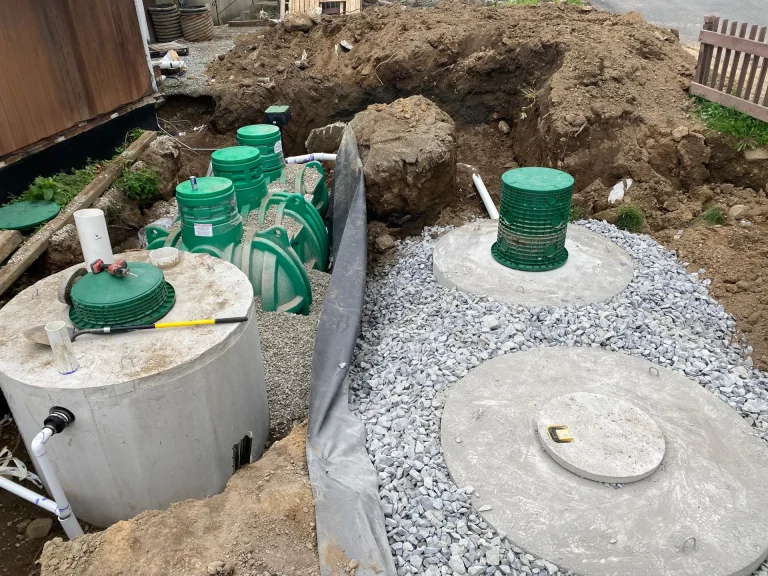
Questions you should expect, and questions worth asking
Good service visits are not one-sided. The technician should ask about occupancy, fixture performance, odors, recent weather, and any history of backups. Their questions help separate a maintenance call from a troubleshooting call. If you mention that drains gurgle only when the washing machine empties, for example, that detail matters. If sewage odor appears only after storms, that matters too.
You should feel comfortable asking practical questions in return. How full was the tank compared to what they would expect? Did they see any signs of baffle wear or outlet trouble? Is your pumping interval still appropriate? Were there warning signs involving the field lines or distribution box? If the tank was difficult to access, is it worth installing risers to make future septic services easier and less disruptive?
In my experience, homeowners get the most value from a visit when they leave with a simple, specific picture of their system’s condition. “Everything looks fine” is reassuring but incomplete. “The tank needed pumping, the outlet baffle looks serviceable, the filter was cleaned, and you should plan on service again in about three years unless occupancy changes” is far more useful.
What routine service can and cannot solve
One of the biggest misconceptions about septic work is that pumping fixes every septic problem. It does not. Pumping restores capacity in the tank. It removes accumulated solids and gives the technician a chance to inspect. If the issue is a blocked house sewer line, a failed pump chamber, crushed piping, a saturated drain field, or damaged internal components, pumping alone may not solve anything beyond short-term symptoms.
That does not make pumping less important. In fact, regular pumping is often what prevents those larger failures. When solids leave the tank and enter the drain field, recovery becomes difficult and expensive. Drain field rehabilitation is not a routine maintenance item. It is a repair problem, and repair problems in septic systems tend to involve excavation, permits, soil constraints, and real cost.
A professional will usually be candid about the limits of what they can diagnose in one visit. If they suspect downstream issues, they may recommend further inspection, hydraulic load testing, camera work on the building sewer, or evaluation of pumps and controls in more complex systems. That is not upselling by default. Sometimes it is the responsible next step.
How long the appointment usually takes
For a basic residential pump-and-inspect visit with easy access, many appointments fall in the range of one to two hours. Some are shorter. Others take longer because the lids are buried, the location is uncertain, the tank has multiple compartments, or the technician finds a condition that needs closer review.
Properties with older installations can add time because nothing is exactly where the old sketch says it should be. Rural lots may involve long hose runs or soft access routes. Urban and suburban properties can present the opposite challenge, with limited truck positioning and tight landscaping. If the service includes locating components, uncovering lids, cleaning filters, documenting conditions, and discussing recommendations, the appointment naturally extends.
Most homeowners appreciate a crew that does not rush. Septic work is one of those trades where speed looks impressive until something important gets missed.
What happens after the pumping is done
Once service is complete, the technician should secure the tank properly and restore the site as neatly as conditions allow. If soil had to be moved to expose the lid, they usually backfill and tidy the area. If risers or lids are damaged, they may recommend replacement before the next service cycle. Leaving a tank difficult to access only increases labor and disruption later.
You should also expect some kind of service summary, whether verbal, printed, or digital. At minimum, it should note https://emilioddin842.trexgame.net/septic-services-for-real-estate-transactions-and-home-sales the work performed and any concerns observed. Better documentation may include tank size, date of service, condition of baffles, filter maintenance, sludge observations, and recommended follow-up timing.
This is the part many owners overlook. Save that record. Septic history becomes valuable when you sell the property, apply for permits, compare service intervals, or troubleshoot future symptoms. A documented maintenance pattern carries weight. It shows that the system has not been ignored.
If the visit reveals a problem
Not every issue discovered during septic services is an emergency. Some are maintenance items that should be handled before the next scheduled visit. Others need attention soon, but not the same day. The trick is understanding the risk level.
A cracked lid, for instance, can be a safety issue and should not wait. A missing riser seal may invite surface water into the tank and deserves prompt correction. A worn baffle may still be functioning today but should be planned for replacement before it fails. Signs of drain field saturation fall into a more serious category because delays can limit options.
Homeowners sometimes freeze when they hear repair recommendations because they assume the worst. A calm conversation helps. Ask what problem was observed, what evidence supports that diagnosis, what happens if you wait, and whether there are alternative repair paths. Good technicians can explain the difference between “watch this,” “schedule this,” and “fix this now.”
Making future visits easier and less expensive
The easiest septic appointment is the one where the tank is easy to access, the service history is known, and the household has not spent years flushing things that do not belong in the system. Owners have more control here than they sometimes realize.
If your tank lids are buried deep and hard to locate, risers are often worth considering. They bring access to grade or near-grade, which reduces digging, labor time, and yard disruption. If your household has changed, your pumping schedule may need to change with it. A house that now hosts adult children, frequent guests, or short-term rentals should not run on the same assumptions it had ten years ago.
A few habits consistently help septic systems last longer. Spread out laundry rather than doing it all in one day. Fix leaking toilets and faucets promptly. Keep grease, wipes, and hygiene products out of the drains. Be careful with harsh chemical dumping, especially products marketed as miracle tank cleaners. Most healthy residential tanks do not need additives to do the basic work they were designed to do.
The real value of a professional visit
The best septic services appointment gives you more than an empty tank. It gives you a clearer understanding of how your system is functioning right now, what your usage patterns are doing to it, and what to watch between visits. That matters because septic systems rarely fail without some warning. The warnings are just easy to miss if no one is looking with trained eyes.
There is also value in having a relationship with a reputable local provider before you need emergency help. When sewage backs up on a holiday weekend or a field line problem appears after a storm, you do not want to start from scratch. A company that already knows your property, your tank location, and your service history can respond more effectively.
For most homeowners, septic maintenance is not glamorous and never will be. It is practical, preventive work. Yet few routine service calls protect a property so directly from unpleasant, expensive disruption. When a professional arrives, opens the tank, explains what they see, and leaves you with a realistic plan, that visit has done exactly what it should. It has turned an underground mystery into manageable home maintenance.
Excavating New Jersey LLC
Address: 406 County Rd 565, Wantage, NJ 07461
Phone number: +19737914284
FAQ About Septic Services
What is the average cost to get a septic tank emptied?
Emptying a septic tank costs between $290 and $560 on average, with most homeowners paying about $420. Prices vary based on tank size.
What is septic service?
Septic service inspects, pumps, cleans, and maintains a septic tank. A septic tank is a large, underground container that collects and treats wastewater from your home. Over time, sludge, scum, and other debris, like hair and solids, can build up in your tank and clog your drain field.
How often should you have a septic tank serviced?
A standard septic tank should be inspected every 1 to 3 years and pumped every 3 to 5 years. However, the exact schedule depends on your tank's capacity, household size, and daily water usage.